November 6, 2025 • Athletic Administration
The power of mentorship and the value of interns
In the dynamic and ever-evolving field of sport administration, professional growth is not a bonus; it’s a necessity. Athletic administrators are tasked with navigating complex organizational structures, managing diverse teams, and fostering inclusive environments, all while maintaining the integrity and competitive spirit of sport.
As someone who has spent decades in this profession and had the privilege of helping shape future leaders through both the University of Cincinnati’s undergraduate program in Sport Administration as well as the online Master’s program in Sport Administration, I’ve seen firsthand how mentorship and experiential learning, particularly through internships, serve as foundations for sustained professional development.
 Professional growth for athletic administrators is multifaceted. It involves expanding technical competencies, developing leadership skills, and promoting emotional intelligence. Growth is not linear; it’s a continuous process of learning, reflection, and adaptation. Whether you’re a high school athletic director, a collegiate compliance officer, or even a professional team operations manager, the challenges you face require a commitment to lifelong learning.
One of the most effective ways to foster this growth is through intentional mentorship. Mentorship provides a structured yet personal pathway for learning, offering guidance, feedback, and encouragement from someone who has walked the path before. It’s not just about transferring knowledge, it’s about building confidence, expanding networks, and shaping character.
The role of mentorship in sport administration
Mentorship in sport administration is more than a professional courtesy; it’s a strategic investment in the future of the field. A mentor can help a young administrator navigate the nuances of budgeting, game/contest management, and personnel management, while also modeling ethical decision-making and flexibility.
In both our undergraduate and master’s programs, we emphasize the importance of mentorship by connecting students with seasoned professionals in the field through face-to-face interactions or over Zoom conference calls. These relationships often blossom into long-term collaborations, with mentees eventually becoming mentors themselves. This cycle of support and development strengthens the profession and ensures that institutional knowledge is preserved and passed on.
Mentorship also plays a critical role in promoting diversity and inclusion within sport administration. By intentionally mentoring individuals from underrepresented backgrounds, we help break down barriers and create more equitable opportunities across all levels of sport, especially at the interscholastic level.
Internships: A gateway to real-world experience
While mentorship provides guidance, internships offer the hands-on experience that is essential for professional growth. Internships allow aspiring athletic administrators to apply classroom lessons/knowledge in real-world settings, develop practical skills, and gain exposure to the day-to-day operations of sport organizations.
At the University of Cincinnati, we encourage our students to pursue internships that challenge them and align with their career goals. Whether it’s working with a local high school athletic department, a collegiate program, or a professional sports franchise, the value of these experiences cannot be overstated.
Interns bring fresh perspectives, energy, and innovation to organizations. In return, they gain invaluable insights into the complexities of sport management, from event planning and marketing to fundraising and game supervision. These experiences often serve as the launching pad for full-time employment, and many of our graduates credit their internships as the most transformative part of their academic journey.
For athletic administrators, promoting a culture that values mentorship and intern development is a strategic priority. This begins with recognizing that mentorship is not a one-size-fits-all endeavor. Effective mentors tailor their approach to the needs, aspirations, and learning styles of their mentees. They listen actively, provide constructive feedback, and create opportunities for growth.
Similarly, organizations must be intentional about how they structure internship programs. Interns should be given meaningful responsibilities, access to decision-making processes, and opportunities to contribute to strategic initiatives. Supervisors should provide regular feedback and encourage reflection, helping interns connect their experiences to broader professional goals.
Creating this culture requires buy-in from leadership, clear expectations, and a commitment to continuous improvement. When done well, mentorship and intern development become embedded in the organizational DNA, driving innovation, engagement, and excellence.
The long-term impact of mentorship and internships on professional growth is profound. Mentees often go on to become influential leaders, shaping policy, driving change, and mentoring others. Interns evolve into confident professionals who understand the intricacies of sport administration and are prepared to lead with integrity and purpose.
For mentors and supervisors, the rewards are equally significant. There is a deep sense of fulfillment in watching a young professional grow, succeed, and eventually pay it forward. Moreover, organizations that invest in mentorship and intern development tend to attract top talent, foster loyalty, and maintain a competitive edge.
A call to action
As athletic administrators, we must commit to cultivating and preparing the next generation of leaders. This means embracing mentorship not as an obligation, but as a privilege. It means designing internship programs that challenge and inspire. Moreover, it means recognizing that professional growth is a shared journey, one that benefits individuals, organizations, and the entire sport community.
» ALSO SEE: Creating a culture of continuous professional development
To my colleagues in the field: I encourage you to reflect on your own professional journey. Who mentored you? What experiences shaped your growth? How can you now serve as a mentor or provide meaningful opportunities for interns? To aspiring administrators: Seek out mentors who challenge and support you. Pursue internships that stretch your abilities and expose you to new perspectives. And remember, growth is not about perfection, it’s about progress.
At the University of Cincinnati, we remain committed to preparing athletic administrators who are not only skilled and knowledgeable but also compassionate, ethical, and visionary. Through mentorship and experiential learning, we are building a future where sport administration is not just a profession, it’s a calling.
You Might Also Like
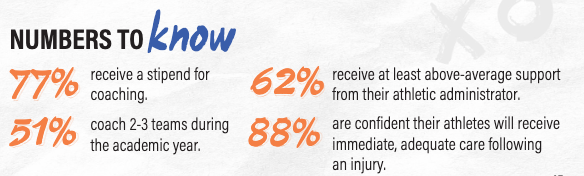

What’s changing in your athletic program?![]()
![]() We’re asking A.D.s across the country to weigh in on today’s biggest issues — and we’d love your input.
We’re asking A.D.s across the country to weigh in on today’s biggest issues — and we’d love your input.![]()
![]() Your responses help create a clearer picture of what’s really happening in athletics today.
Your responses help create a clearer picture of what’s really happening in athletics today.![]()
![]() 👉 Take the survey: surveymonkey.com/r/6RM6YBF
👉 Take the survey: surveymonkey.com/r/6RM6YBF