How to build sustainable athletic facilities that reduce costs
As anyone what they’re doing to make their sports facility more sustainable, and they’ll likely shrug and mumble something about recycling on game day. The truth is, however, that sustainability is a complex concept. It goes beyond deciding which bin should be used for plastic pop bottles or whether red Solo cups are recyclable. (Spoiler alert: They aren’t.)
A dictionary will tell us that sustainability is the avoidance of the depletion of natural resources, with the amazing ability to sound both ridiculously complex and incredibly easy.
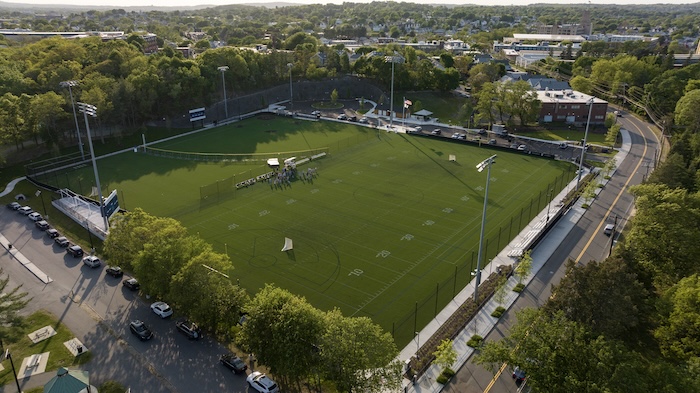
The good news is this: Sustainability is within the reach of everyone willing to make changes at whatever level is possible in any given situation and at a wide range of price points.
Sustainable Design
Sustainability can start, literally, from the ground up in the planning and design phase of sports facilities. The avoidance of unnecessary removal of mature trees or native vegetation, for example, is a sound practice. Not only do such plantings add oxygen to the air, provide shelter and cover for wildlife, and help prevent erosion, but they also help to moderate the microclimate.
Excessive amounts of exposed pavement and building masses contribute to localized rises in temperature, an effect often referred to as the “urban heat island effect.” Orientation also matters. Outdoor facilities (tennis courts, for example) should be oriented to the sun. This will maximize playable hours and make the most of a facility. A court is a poor use of land, as well as a poor investment, if it goes unused because players don’t want to have to squint into the sun.
Water use is another area of concern. While the topic of water use is one of the most important in sustainability, sound water practices can be implemented at almost any phase of a project. Some examples are as follows:
- Install low-flow sink faucets, showerheads and toilets
- Use greywater in irrigation or cooling systems
- Pay close attention to irrigation systems to ensure water is directed only to the field and not wasted by spraying adjacent structures such as dugouts, bleachers or tracks
Sustainability in Materials Used
Construction professionals are responding to consumers’ wishes to increase the sustainability of projects. A sampling of the steps being taken is as follows:
- Use of recycled or repurposed materials. New buildings may include recycled materials to increase their eco-friendliness. One popular trend in construction is the use of reclaimed or repurposed wood planks (generally from dismantled buildings and other structures) for flooring in office and meeting room areas. (Note: This type of wood is not suitable for gymnasium flooring.)
- Bird-safe glass. Increasing attention is being paid to having glass treated to avoid bird strikes. UV-reflective coating and etched designs of glass make it more visible to birds
- Other aspects of eco-friendly buildings include solar panels, high-performance insulation, efficient HVAC systems, and the use of daylighting and natural ventilation
Additional Steps Being Taken to Ensure Sustainability in Sports Facilities
Eco-friendly lighting
One of the leading ways to increase sustainability in any sports facility is by upgrading the lighting to energy-efficient (and more aesthetically pleasing) LED. The adoption of LED lighting has become far more widespread; systems are coming down in price and increasingly are replacing the older fluorescent (TSHO) or high-intensity discharge (metal halide) fixtures.
LED lighting can reduce energy usage by 60% or more in energy savings versus previous technology. In addition, LED lighting will require less maintenance. A lifecycle cost analysis (LCCA) can determine the effectiveness of a potential LED lighting retrofit, and should take into consideration capital costs, maintenance costs and operations costs.
One common attempt to avoid the use of new resources with new LED field lighting is to install on existing poles. Discuss with your lighting vendor the condition, height and positioning of the poles, with an eye to whether they will be appropriate for the new LED system.
Equipment considerations
One important recommendation from lighting vendors is to avoid purchasing an inexpensive system that is functional only. This equipment often has limited functionality and low product manufacturing standards, leading to a need to replace the whole system sooner rather than later.
Additionally, many inexpensive systems are manufactured outside of the country and may not offer the buyer after-purchase support and warranty services. The wiser investment is made by purchasing a domestically manufactured sports-specific system that is backed by a reputable company with references from users who can speak to the customer service experience before, during and after installation.
Recycling of turf
Many schools have moved to synthetic turf fields to handle the uptick in the number of sports programs being offered. The good news: When fields come to the end of their useful life, the surface no longer has to be taken to a landfill.
Recycling contractors have developed equipment and methods to extract infill from a school’s aging synthetic field and to store it for use by installers putting in the next field. At the same time, there are companies on the market specializing in reselling used turf, either whole or in segments, for new purposes.
A qualified field contractor may also be able to determine whether other components of the field, including the shock pad, drainage system, and base, can be reused, keeping them from being disposed of and bringing additional cost savings. Finally, full surface recycling is moving into U.S. markets. Expect to hear more about these programs as time goes on.
KEY TAKEAWAYS
- Sustainable sports facilities start with design choices like site preservation, orientation, and reducing heat buildup
- Water efficiency can be improved with low-flow fixtures, smart irrigation, and greywater reuse
- Recycled and eco-friendly building materials are increasingly used in modern facility construction
- LED lighting significantly reduces energy use and maintenance costs compared to older systems
- Investing in higher-quality equipment reduces long-term replacement and maintenance costs
- Synthetic turf fields can now be recycled or repurposed, reducing landfill waste
You Might Also Like