
How to handle mental health issues in the female student-athlete
Mental health among college athletes is rapidly gaining the attention it deserves — and for good reasons. College is a pressure cooker of academic, athletic, and social demands, but the load often comes with additional, unseen challenges for female student-athletes. While these young women train and compete at elite levels, many are simultaneously battling anxiety, depression, and other mental health issues behind closed doors (Daltry et al., 2023; Tran, 2022).
Recent statistics highlight the crisis: mental health is the third leading cause of hospitalization among young adults, with suicide ranking as the second leading cause of death among student-athletes (Young et al., 2023). In one study, 15% of varsity athletes reported being diagnosed with anxiety or depression, and 10% had experienced suicidal thoughts (Tran, 2022).
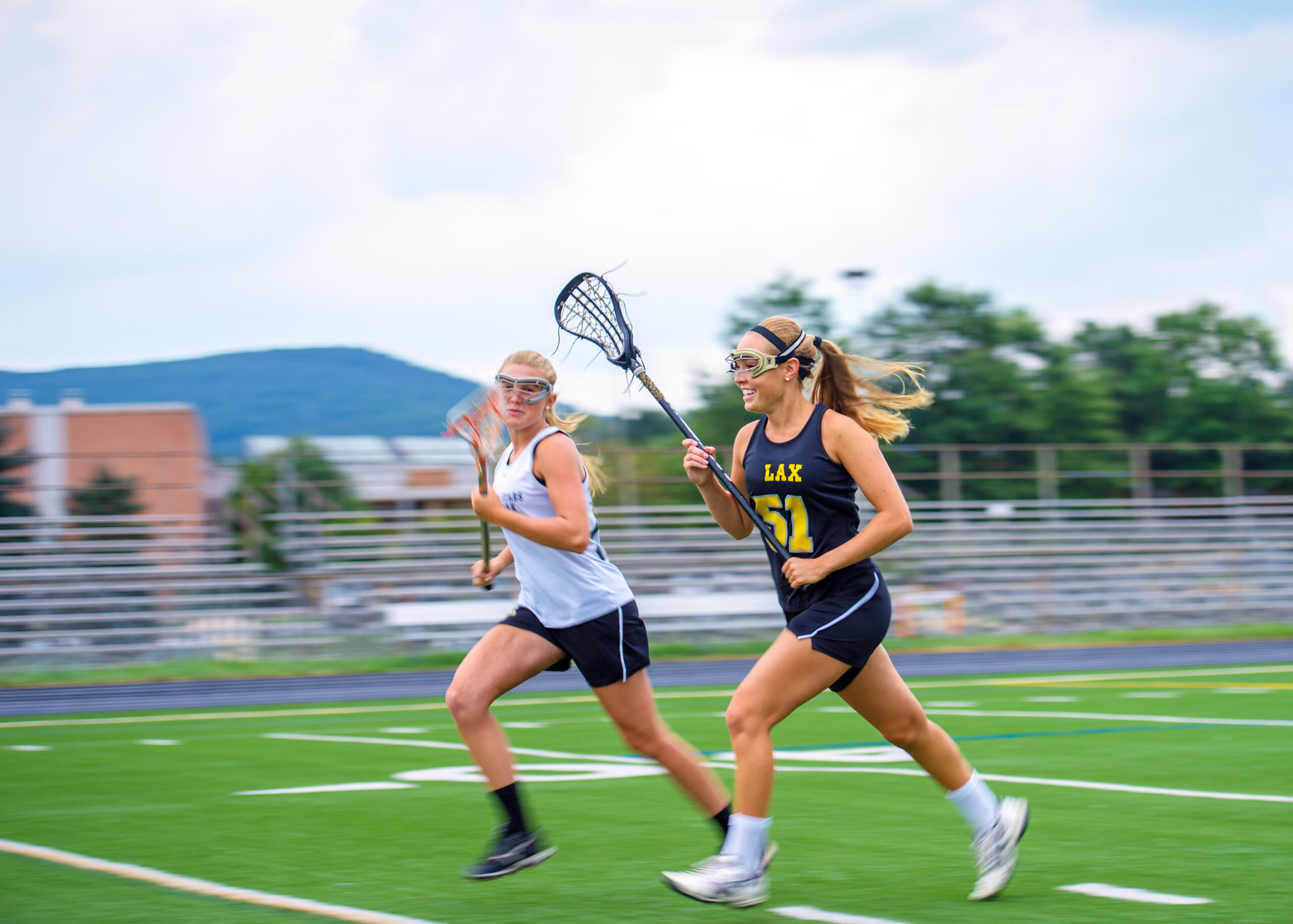 Despite these troubling numbers, many student-athletes, especially females, are reluctant to seek help, often due to stigmas around mental health and fears of appearing “weak” or risking playing time (Daltry et al., 2023).
The role of the coach: mentor, monitor, advocate
This qualitative case study explored these mental health challenges through the college coach’s unique lens. Twelve NCAA Division II coaches — eight women and four men — were interviewed about their observations, perceptions, and responses to the mental health needs of their female athletes.
Coaches are more than trainers or tacticians; they are mentors who often spend more time with athletes than any other campus official. As Sabiston et al. (2020) noted, coaches influence student-athletes’ athletic and personal development, positioning them as critical gatekeepers for mental well-being.
Key themes from the field
- Perceptions of mental health challenges
Coaches acknowledged a growing awareness of mental health in sports but also admitted that many still feel ill-equipped to recognize or address these challenges. Female athletes were often described as “silent strugglers,” showing up to practice while internally managing symptoms of depression, anxiety, or overwhelming stress. Common complications cited by coaches included mood shifts, decreased motivation, and academic underperformance — all signs that can go unnoticed or be misinterpreted (Beasley & Hoffman, 2023; Chow et al., 2021). - Impact on performance and well-being
Coaches consistently observed that mental health issues affected both athletic and academic performance. Athletes struggling with mental health challenges were more likely to exhibit inconsistent play, poor focus, or even miss practices and classes entirely (Edwards et al., 2022). Several coaches found that building trust and rapport with athletes helped open the door for honest conversations about their struggles — a crucial first step toward accessing support (Simons & Bird, 2022; Ruser et al., 2020). Interestingly, strategies such as providing downtime, encouraging social bonding, or simply creating a safe space to talk were seen as effective short-term support. However, most coaches expressed a desire for more structured, campus-wide mental health programs and more explicit guidance from their institutions. - Strategies and institutional gaps
Most coaches offered vague or limited responses when asked about institutional policies or available resources. A few schools had a designated mental health counselor or protocol involving athletic trainers, but none had a formal mental health policy tailored to athletics. This lack of clarity was a significant barrier to supporting athletes in crisis (Cutler & Dwyer, 2020; Ryan et al., 2022). Coaches expressed interest in workshops or training sessions that could better prepare them to recognize mental health red flags, respond appropriately, and refer athletes to professionals (Habeeb et al., 2022). They also emphasized the need for collaborative efforts — involving athletes in designing programs, educating teams about mental health stigma, and ensuring every athlete knows where and how to get help.
Why female athletes face greater risk
The study and supporting literature underscore the gendered dynamics at play. Female athletes report higher rates of depression and anxiety than their male counterparts (Daltry et al., 2023), yet are often perceived as “vulnerable” or “fragile,” leading to shame around help-seeking. The result is a cycle where stigma and stereotype reinforce each other, keeping athletes from accessing support systems that could improve — or even save — their lives (Saxe et al., 2022; Chow et al., 2021).
Moreover, gender expectations within sports can affect self-image, identity, and resilience. Female student-athletes must often navigate added pressures related to body image, leadership, and performance, all of which intersect with mental health in profound ways (Beasley & Hoffman, 2023; Sabiston et al., 2020).
Recommendations for athletic departments
Based on the study’s findings and a review of the literature, several key recommendations emerge:
- Implement campus-wide mental health policies — Every institution should create and enforce clear, actionable mental health policies that support athletes, educate staff, and outline referral pathways. Coaches need to know what to do — and whom to call — when mental health concerns arise (Cassilo & Sanderson, 2024).
- Train coaches in mental health literacy — Institutions should provide formal education for coaches on recognizing mental health issues, reducing stigma, and effectively supporting student-athletes (Chow et al., 2021; Edwards et al., 2023).
- Involve athletes in program design — Give female student-athletes a voice in shaping the mental health services designed to support them. Peer engagement has increased program relevance and impact (Ryan et al., 2022; Saxe et al., 2022).
- Increase funding and access to mental health resources — Many schools lack on-campus counselors or mental health professionals embedded in athletic departments. Budgeting for these roles is an essential investment (Albert et al., 2022; Stevens, 2024).
- Normalize help-seeking behavior — Addressing mental health stigma head-on is vital. Mental health conversations should be embedded in team meetings, onboarding sessions, and performance reviews. As the study participants emphasized, “It is okay not to be okay.”
» ALSO SEE: Tips to effectively manage a crisis
A call to action
This study reveals a complex, but addressable issue: female student-athletes are navigating unique and significant mental health challenges, and coaches are in a prime position to help — if given the tools, training, and institutional support.
While strides are being made, there is still a long road ahead. By implementing evidence-based policies, promoting open dialogue, and embracing a holistic view of athlete development, athletic departments can redefine what it means to be a champion, not just on the scoreboard, but in life.
You Might Also Like




One of the most important economic realities is that football often subsidizes non-revenue sports. Sports such as swimming, tennis, or track rarely generate significant income. Without football’s financial engine, many of these programs would struggle to exist.![]()
![]() At the high school level, football gate receipts may pay for new uniforms for the volleyball team or cover transportation costs for the soccer program.
At the high school level, football gate receipts may pay for new uniforms for the volleyball team or cover transportation costs for the soccer program.
How football revenue impacts overall athletic department finances
coachad.com
From small-town high schools to DI universities, football generates re...