
sports medicine
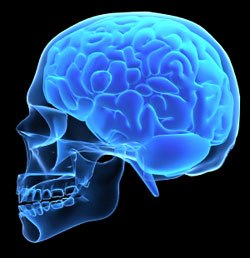
Study: Parents, coaches need more concussion education
Despite efforts by medical experts to educate coaches about concussions and their effects, there's still plenty of work to be done, according to a recent survey. Nemours KidsHealth.org found that following a blow to the head, 40 percent of coaches...

What is XLNTbrain Sport?
Dr. Harry Kerasidis of XLNTbrain talks about his product and how it can help student-athletes in the fight against head injuries. ...

Is high school football unsafe?
Dr. Harry Kerasidis of XLNTbrain talks about why concussions seem more prevalent at the high school level and what programs can do about it. ...
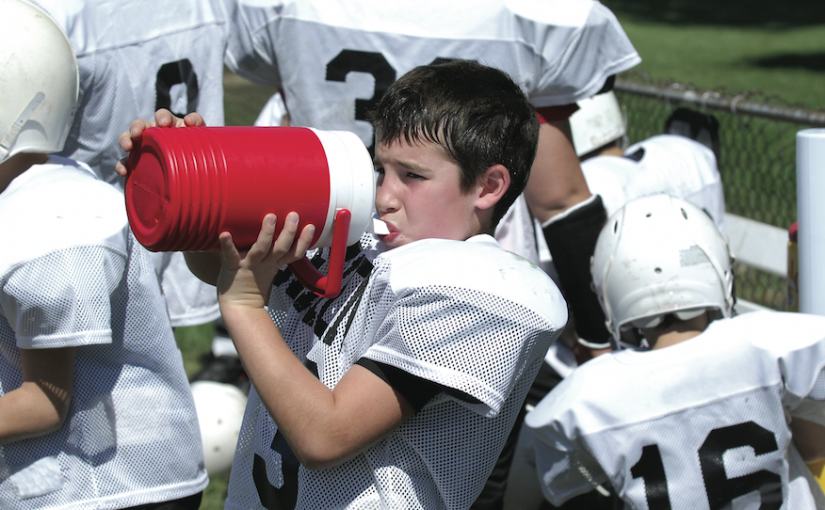
SportsMed: The science of hydration
The total water content of the human body, which is composed primarily of water, is tightly regulated. The size of the body’s cells must remain relatively constant throughout activity, and the body accomplishes this through various processes of hom...
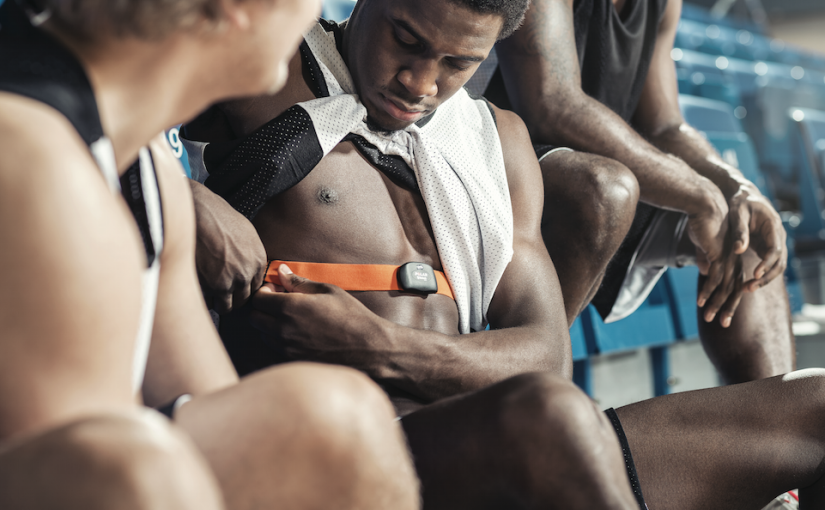
Fitness made easier with new technology
Coaches want the most from their players during training sessions, but there’s a fine line between maximum effort and overexertion. Cross it, and athletes could be lost to injury. The development of new technology has made lives easier for coach...
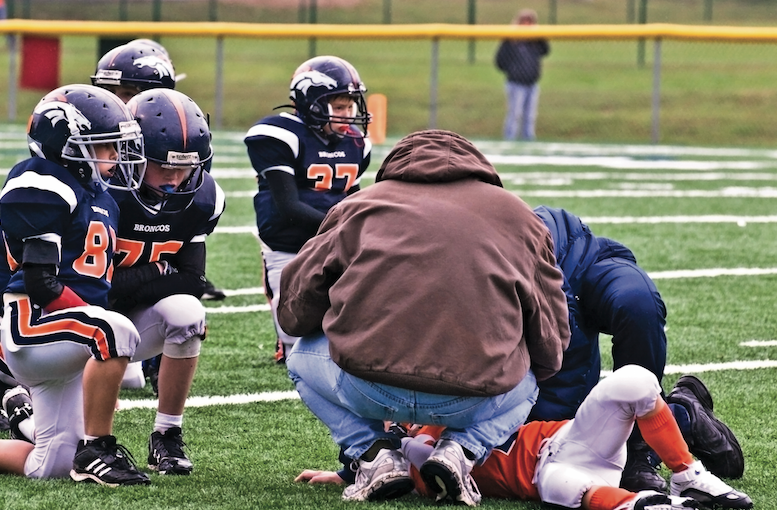
SportsMed: Updates on sports concussions
A concussion consists of clinical symptoms stemming from a brain shaken by external forces. It is a type of traumatic brain injury (TBI) and is sometimes called a “mild TBI,” although this term is used for injuries other than those sustained in s...
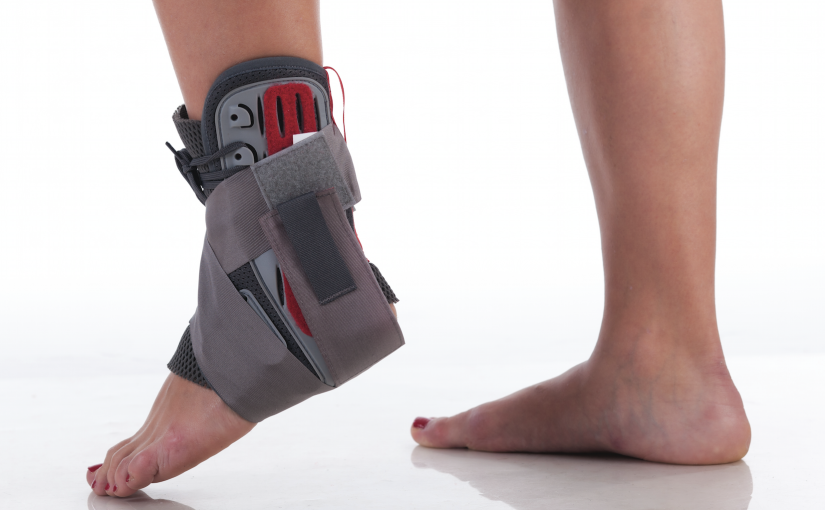
Protecting your players
Steps to help athletes avoid debilitating sports injuries Choosing a brace isn’t the most exciting decision an athlete will ever make, but it just might be the most important one. Timothy McGuine, senior scientist in the Department of Orthopedi...
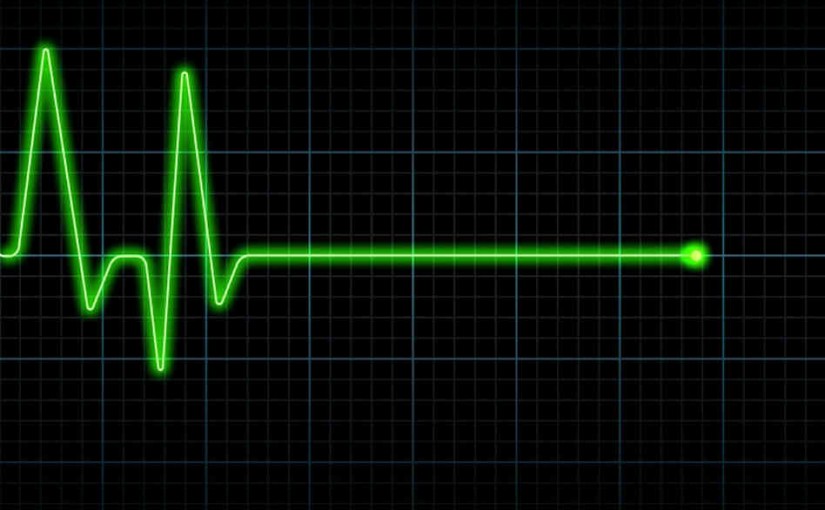
Texas bill would require heart screenings for athletes
Three Texas lawmakers have introduced legislation that would require the state's high school athletes to undergo heart screenings. [caption id="attachment_10828" align="alignleft" width="256"] A Texas bill would require electrocardiograms for hig...