How to prepare sports facilities for a new athletic season
School corridors, bus lanes and classrooms may be empty at the moment, but it won’t be long until they’ll be bustling with the noise of a new school year.
Here’s the big question: Are your sports facilities ready?
If not (or if you’re just not sure), take heart. You still have time — provided you start now.First things first
Never underestimate the importance of regular walk-throughs of all your facilities, not just before school starts but throughout the year. Remember, if you can spot problems in their early stages, remedies are easier and generally less expensive.
Additionally, regular maintenance (which starts with inspections) extends the useful life of your facilities and maximizes the school’s investment.
But these visual inspections are only as good as what you put into them. If, for example, you are walking around your tennis courts but simultaneously looking at your phone or thinking about your to-do list — anything other than giving the job at hand your full attention — you’re not doing that job.
► ALSO SEE: How to assemble the right team for a facility project or renovation
Another key to success is a good relationship with a local contractor who is skilled in sports facility construction and maintenance. This person will be an excellent resource, not just to do specialty work but to provide valuable information, should you have questions.
Need a contractor and don’t have a contact? Use the “Find a Member” feature of the American Sports Builders Association website. The website is searchable by state as well as by area of expertise and is free to use.
Outdoor facilities
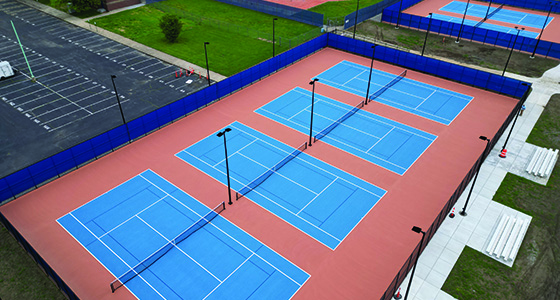
If your school has outdoor tennis courts, examine the surface. To get rid of debris, push brooms with soft bristles should be used. Leaf blowers can also come in handy.
If you need to address stains, start with the gentlest treatment: warm water and a soft brush. If that doesn’t work, try a mild detergent. If you don’t have success, call your contractor, who might be able to suggest a specific product.
Before using a power washer on the court, contact your sports builder. You don’t want to damage the acrylic surface.
If you’re hosting new sports on your synthetic fields this year, check with your contractor about the best way of delineating new playing areas.
Should the surface look worn or have cracks or other irregularities, take pictures and send them to your contractor and ask for his or her opinion. Many cracks can look the same to the untrained eye; however, some can be superficial while others are a sign of an underlying problem with the court.
Check the net posts and the net tension. If nets look worn, order replacements. Posts can be touched up with rustproof paint.
Fields should be inspected, too, whether they are natural or synthetic. Look for problems in grass fields, such as signs of weeds, pests, bare spots, muddy areas or spots where grass has been worn away and address as needed.
For synthetic turf fields, climb the bleachers and check if the lines look straight. If not, that could be a sign of displaced infill. Walk the field and look for loose seams and excessive wear. Common places include in front of the goal on soccer fields and the crease in lacrosse fields.
If you’re hosting new sports on your synthetic fields this year, check with your contractor about the best way of delineating new playing areas. Don’t try DIY projects to add lines.
Running tracks represent a sizable investment on the part of the school and should be treated accordingly. Walk every lane of the track, looking at the surface and the markings. Are any markings faded? Is there loose surfacing? Do you see bubbling or delamination of the surface? If so, call the contractor.
If weeds are encroaching into the track, spray them with a weed killer then let them wither and die. Do not try to jerk them up as you may damage the rubberized surface of the track.
Check your fences. Look for areas where the fabric bulges or sags or where rails might be loose or broken. In particular, look for sharp edges. If your baseball diamond is starting to see players who attempt challenging catches, give consideration to having padded top rails to prevent injuries.
Gates should be checked and adjusted to ascertain they do not drag across the sports surface, whether that is a court, a track or a field.
Lights for all athletic facilities should be turned on and checked. If new fixtures are needed or if there are any problems at all, contact your lighting vendor, who can provide advice. Start now and get any problems addressed; the first occasion of Friday Night Lights will be too late.
Indoor facilities
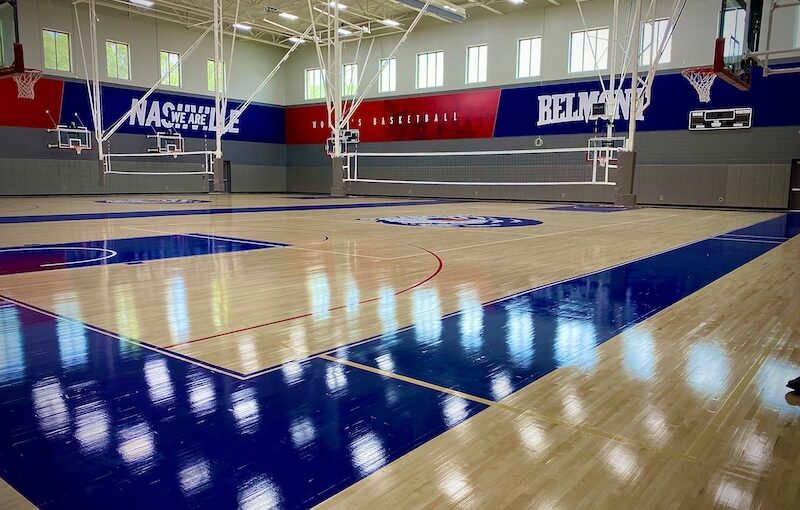
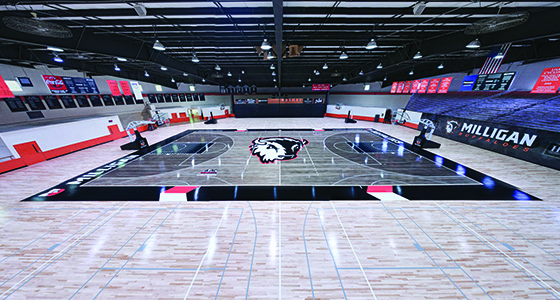
Walk your gym floor. Use all your senses. Do you hear any squeaks? Do you feel any loose boards underfoot? If you bounce a ball, do you experience any spots where the bounce is irregular or where the ball makes a sound that is different from the rest of the court? Do you see any irregularities, such as stains, cracks, depressions or other problems?
Keep the gym floor clean by using a soft dust mop every day. Shake the mop onto a cloth or tarp after each pass over the floor; otherwise, you’ll be depositing the same debris each time.
Whether your sports surface is wood or synthetic, it is imperative to stay on top of any changes and to report them as soon as they develop. Indoor sports flooring installers advise constant vigilance as the key to the longevity of a floor.
Check adjacent equipment, such as basketball goals, bleachers, volleyball stanchions and anything else. Remember that now is the time to order new equipment.
You Might Also Like